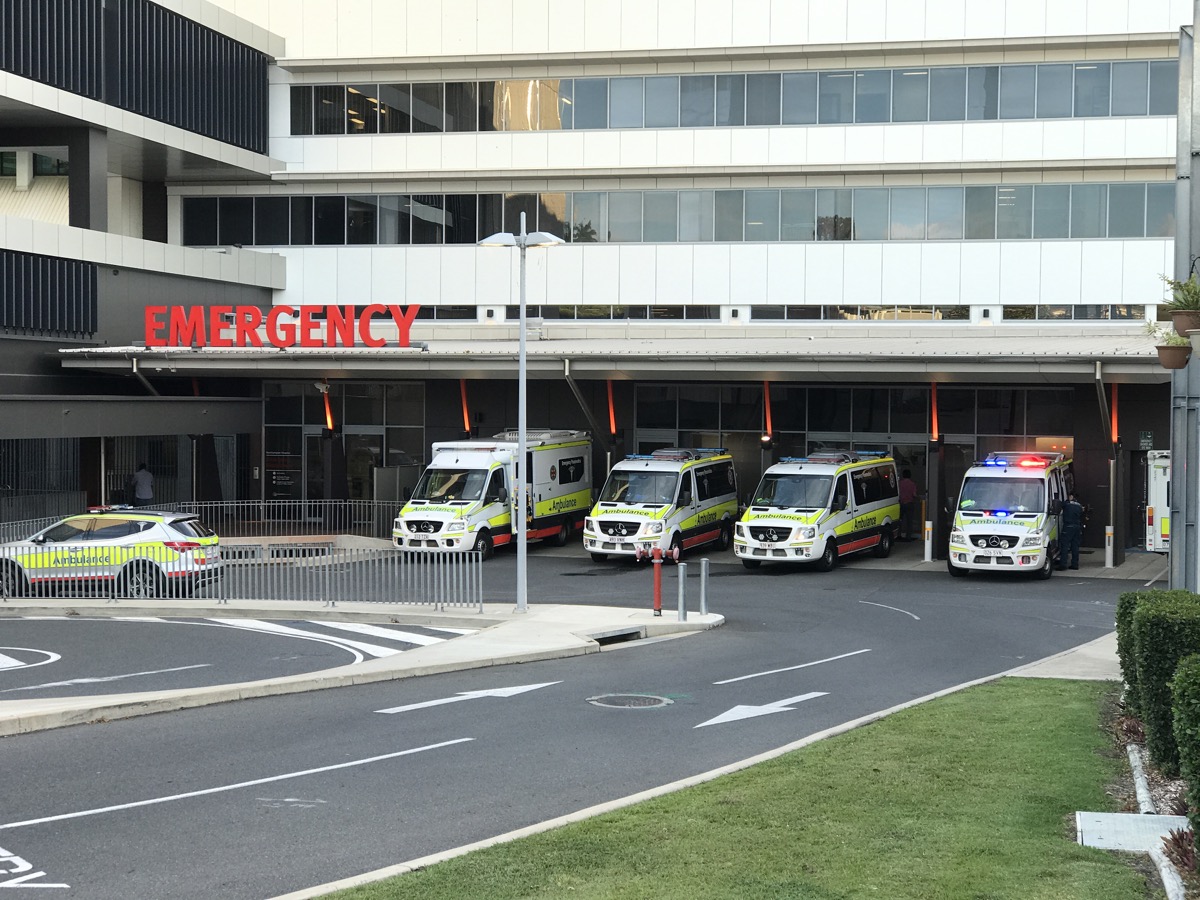
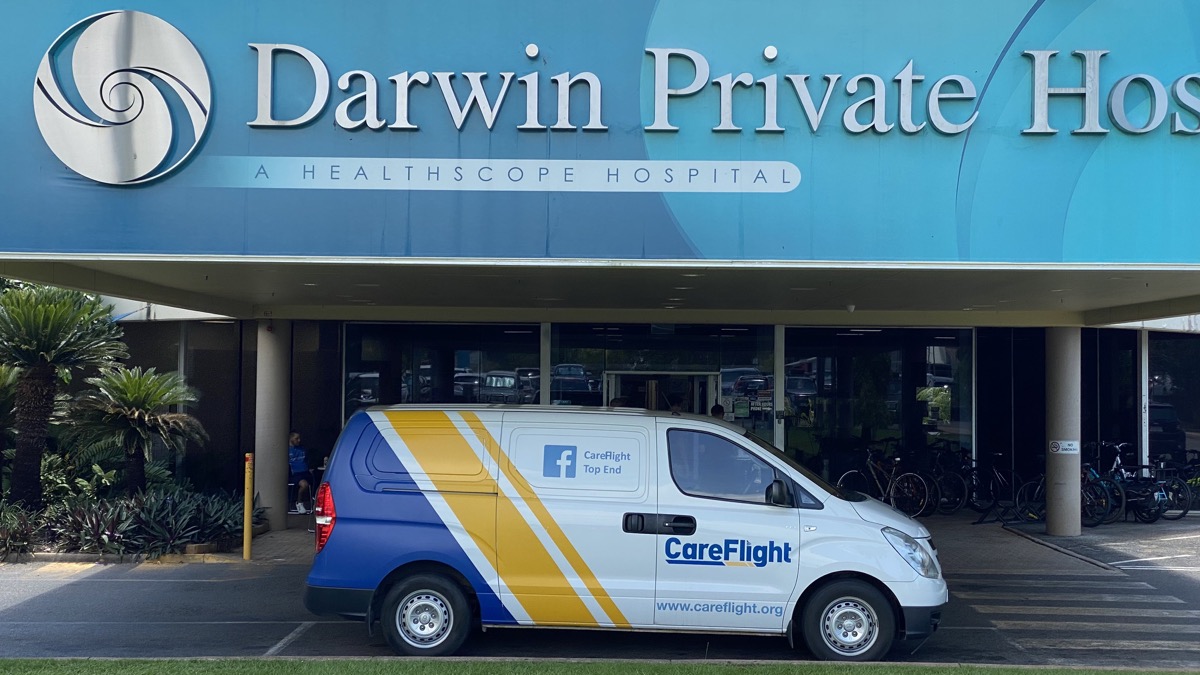
Patient choice discussions should remain evidence-based, factual, and
separate from any individual patient's urgent care decisions. This
campaign does not suggest that one hospital is always faster or safer
than another, and it does not suggest that patients should bypass or
leave emergency assessment.
Where clinically suitable and available, private admission or transfer
may be one option considered by the treating team, the receiving
specialist, and the patient or family.
Fragmented funding can work against patients
Across Australia, health and care are often split between separate
funding buckets, agencies, rules, records, and political
responsibilities: state hospitals, Medicare, aged care, NDIS,
veterans' care, private insurance, workers compensation, motor
accident schemes, and other insurers. These divisions can become a
blame machine instead of a patient-centred system. The result can be
duplicated administration, gaps in responsibility, disconnected
records, delayed decisions, and choices driven by who pays rather
than what best serves the person or the population.
This can leave patients and relatives seeing obvious pressure on the
ground while official language sounds cautious, abstract, or
disconnected from what is happening in the waiting room. Asking about
private insurance options, when clinically appropriate, is a practical
way to reduce pressure on RDH while helping the individual patient.
Carry your own emergency summary
Because official records can be slow, fragmented, unavailable, or
difficult to access across services, patients can also carry a short
emergency medical summary themselves. A service such as
Anonamed lets you create an
anonymous QR-accessible record with critical details such as severe
allergies, blood thinners, insulin, epilepsy, diabetes, heart disease,
major operations, and other information that could help clinicians if
you are unconscious, psychotic, delirious, injured, septic, or unable
to speak for yourself. My Health Record can still be useful, but for
many people it is sparse, incomplete, hard to log into under stress,
and not immediately available to family, carers, or first responders.
A simple accessible emergency summary is not a substitute for 000,
medical care, My Health Record, or hospital records, but it may help
reduce delays and dangerous information gaps.